2025/1/19
Last weekend, I participated in the outing the Climate Change Club at our school is hosting. Climate Change Club collaborated with the Society of Wildlife organization in hosting this outing. The day was spend learning about habitat management and participating in a hands-on activity to restore and maintain the wetland.
After arriving at Wugu Wetland, we had a short lesson about the land before we started the activity. I learned that wetlands were actually used to block floods early in Taiwan. Moreover, wetlands like Wugu are vital stepovers for many bird species during their long migrations. The instructor told us that most birds that come in the winter times are usually special bird species that flew all the way from Europe!
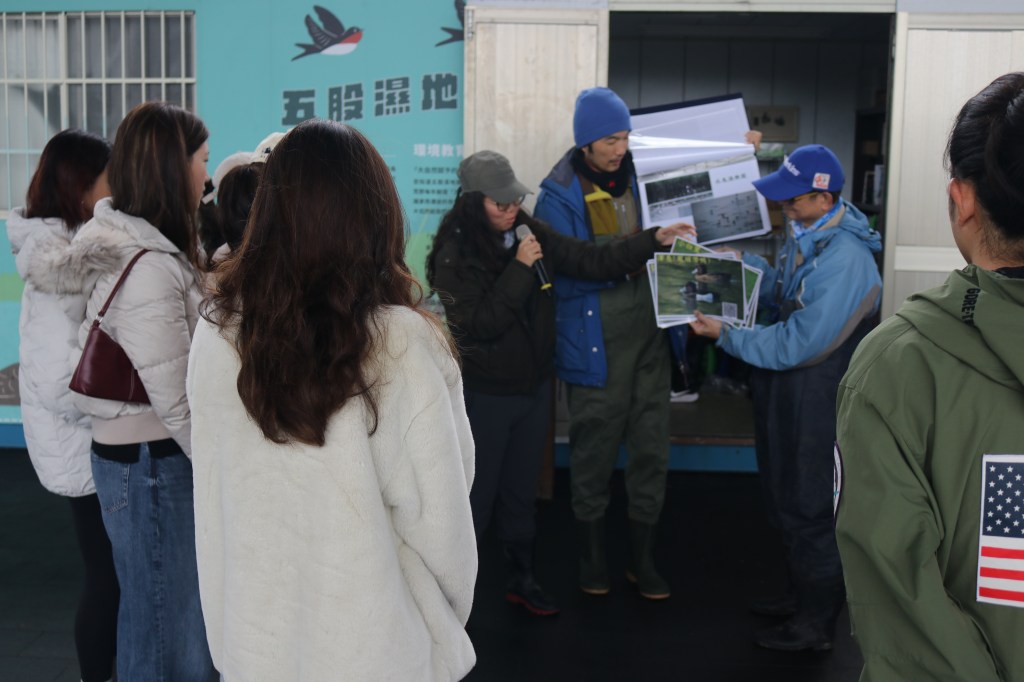
After the short lecture, we changed into long waterproof boots and prepared other equipments (shovels and buckets) that SOW had prepared for us.
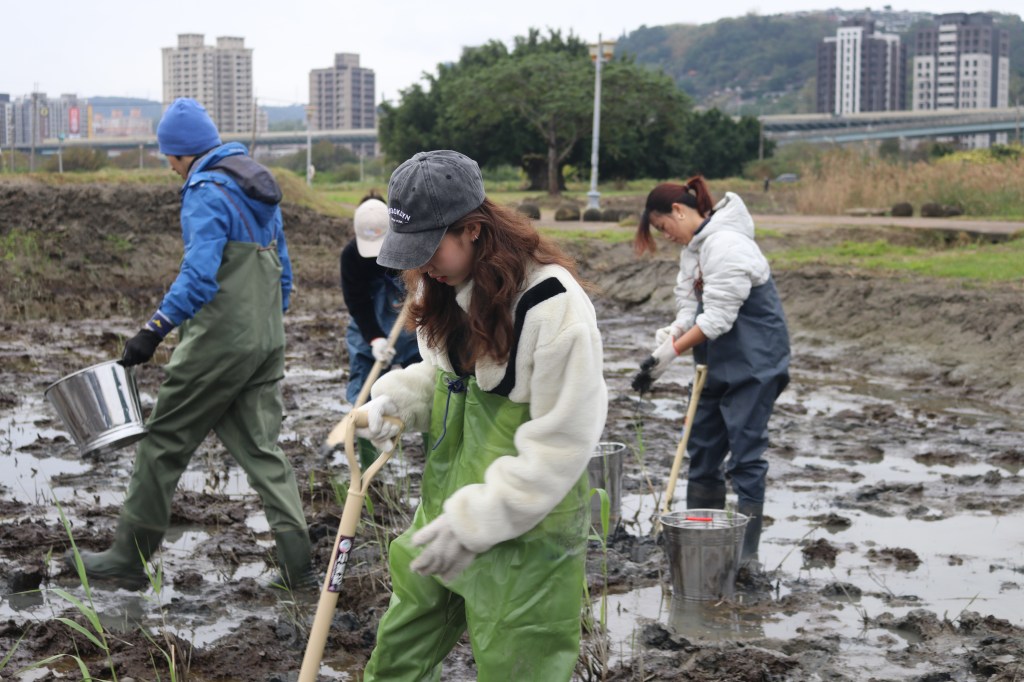
Our primary task during our visit was to remove invasive plants in the wetland, particularly the Mikania vine. The Mikania vine is known as one of the world’s top 100 invasive species, which poses as a significant threat to the ecosystem and the birds’ health in the wetland. With gloves and shovels, we had to dig out these vines from their roots (the roots are so deep :(() and carefully pull out these plants, making sure that all invasive plants are removed from the land.
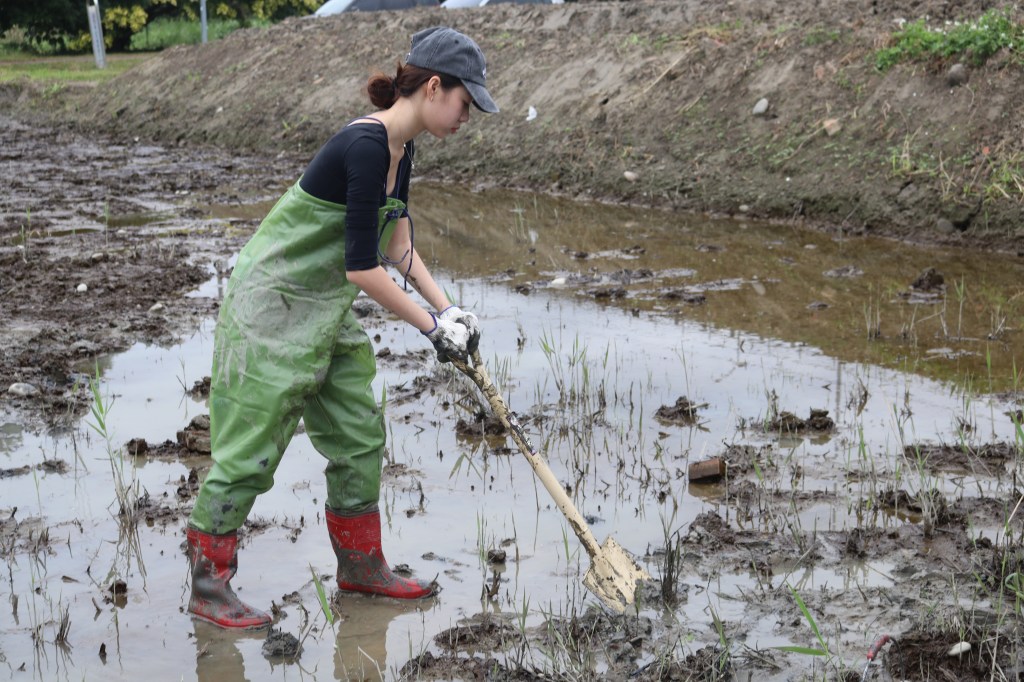
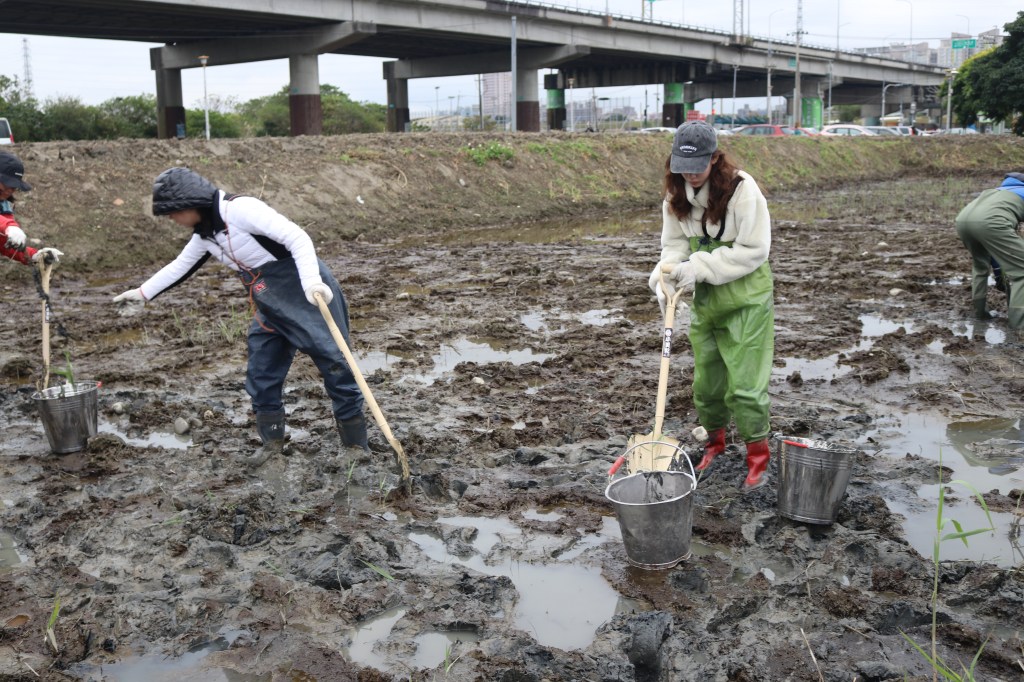
It took us around 2 hours to remove most of the vines. In the last hour, SOW instructors took us to another wetland beside the one we worked with to look at the migrating birds. We had to make sure that we do not stand too close to the birds otherwise they would fly away. As I stood by the shore, watching the birds standing in our wetland, I felt a deep sense of accomplishment. It took us only two hours to help remove most invasive vines out of the wetlands, but the birds could stay there for a few months. This reminded me how easy it is to just take little steps in preserving our environment. I am really grateful for this experience and I would totally recommend people around me to explore ways to support environmental conservation efforts. Whether it is removing invasive plants, planting trees, or participating in cleanup events, every small action contributes to a larger impact.
 Sandy’s Footprints